Every print starts with the right machine for the job. Here’s how each one is used and the kinds of projects it suits.
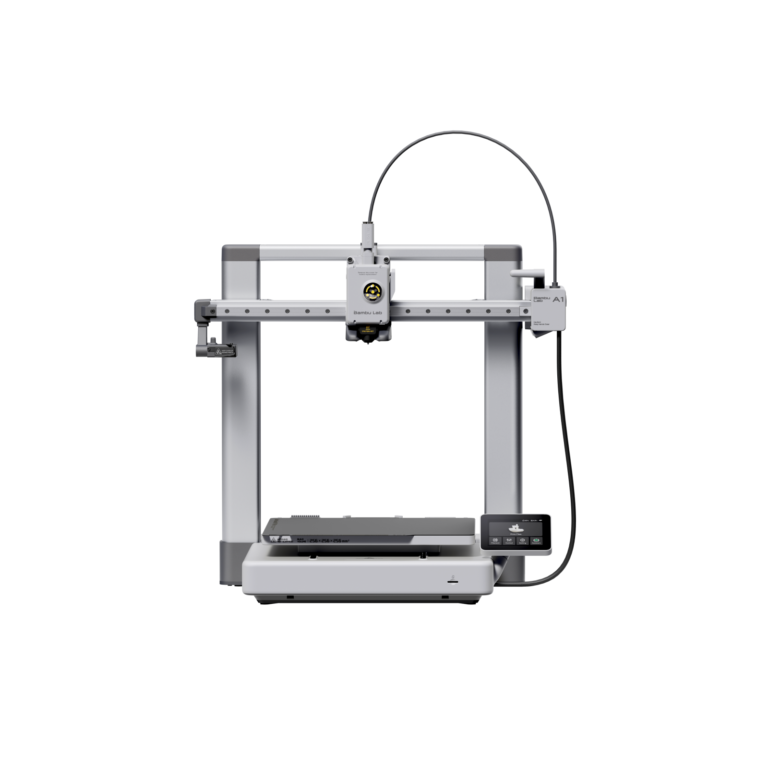
Bambu Lab A1
Printing process
FDM (fused deposition modeling)
Typical applications
Prototypes, brackets and everyday parts
Verified specifications
Bed Slinger, Build Volume: 256 × 256 × 256 mm
Bambu Lab A1
Printing process
FDM (fused deposition modeling)
Typical applications
Prototypes, brackets and everyday parts
Verified specifications
Bed Slinger, Build Volume: 256 × 256 × 256 mm
Bambu Lab P1S
Printing process
FDM (fused deposition modeling)
Typical applications
Prototypes, brackets and everyday parts
Verified specifications
Core XY, Build Volume: 256 × 256 × 256 mm
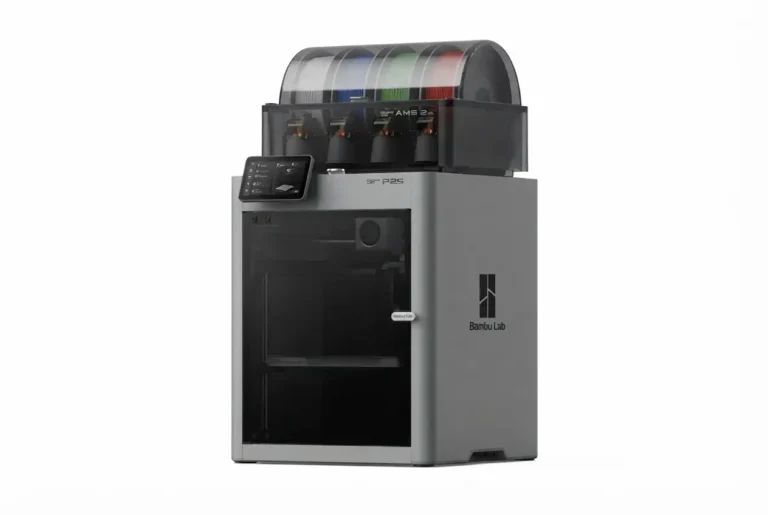
Bambu Lab P2S
Printing process
FDM (fused deposition modeling)
Typical applications
Prototypes, brackets and everyday parts
Verified specifications
Core XY, Build Volume: 256 × 256 × 256 mm
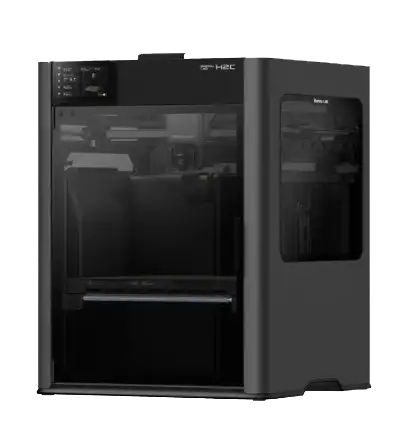
Bambu Lab H2C
Printing process
FDM (fused deposition modeling)
Typical applications
Prototypes, brackets and everyday parts
Verified specifications
Core XY, Build Volume: 330 x 320 x 325 mm
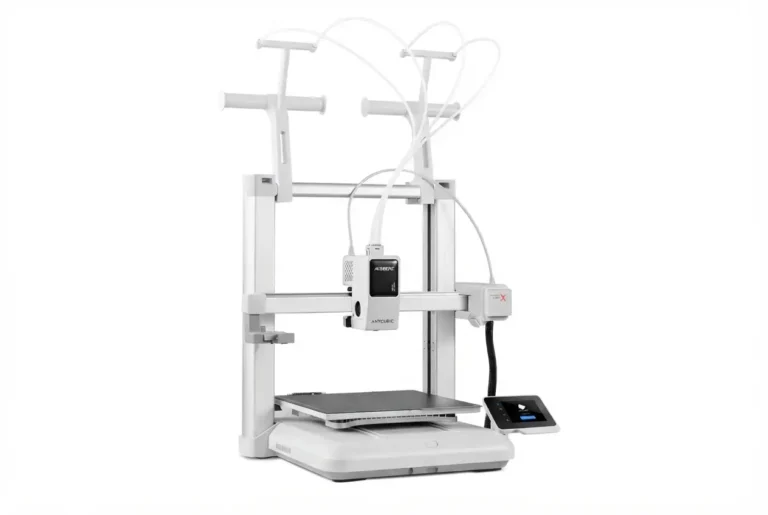
Anycubic Kobra X
Printing process
FDM (fused deposition modeling)
Typical applications
Prototypes, brackets and everyday parts
Verified specifications
Bed Slinger, Build Volume: 260 x 260 x 260 mm
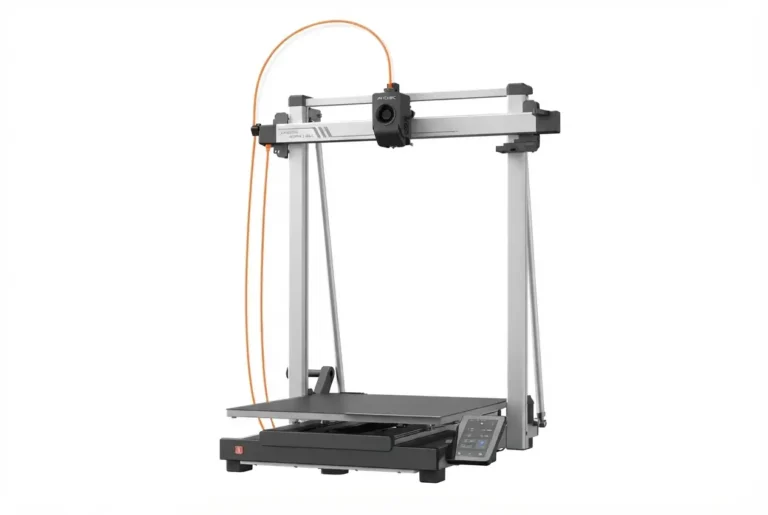
Anycubic Kobra 3 Max
Printing process
FDM (fused deposition modeling)
Typical applications
Prototypes, brackets and everyday parts
Verified specifications
Bed Slinger, Build Volume: 420 × 420 × 500 mm
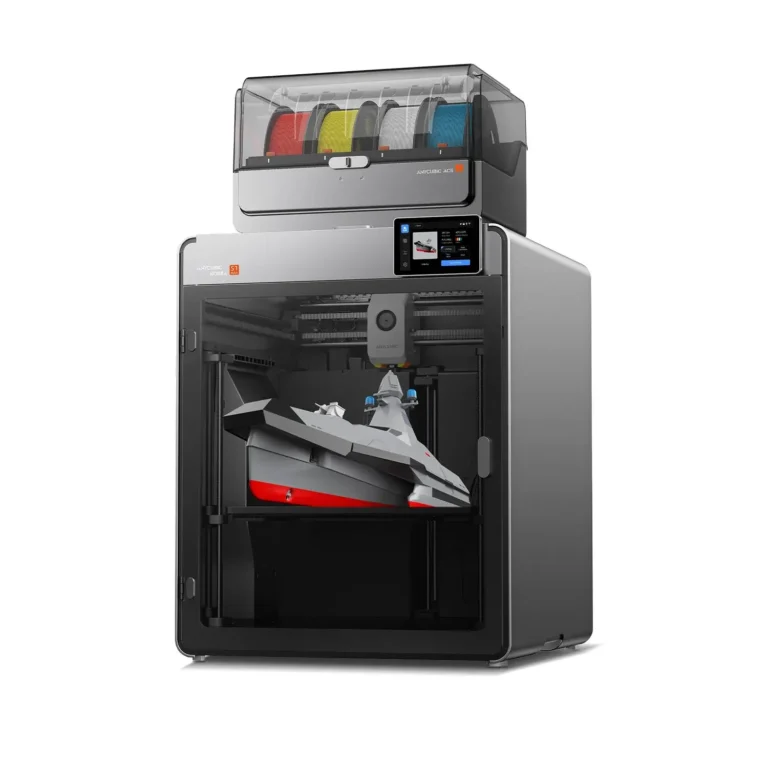
Anycubic Kobra S1 Max
Printing process
FDM (fused deposition modeling)
Typical applications
Prototypes, brackets and everyday parts
Verified specifications
Core XY, Build Volume: 350 x 350 x 350 mm
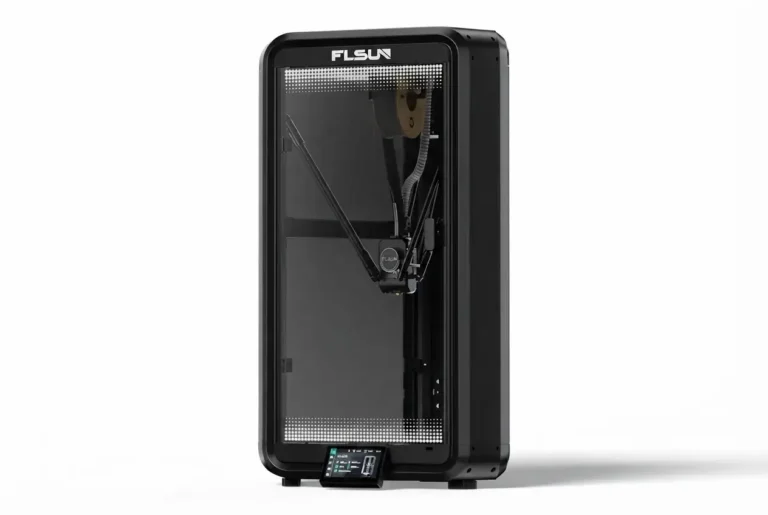
FLSUN S1 Pro
Printing process
FDM (fused deposition modeling)
Typical applications
Prototypes, brackets and everyday parts
Verified specifications
Core XY, Build Volume: 320 x 320 x 430 mm
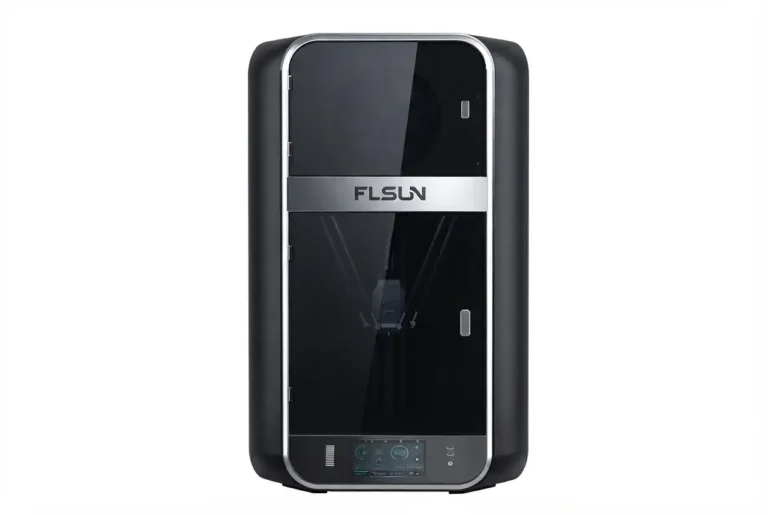
FLSUN T1 Pro
Printing process
FDM (fused deposition modeling)
Typical applications
Prototypes, brackets and everyday parts
Verified specifications
Core XY, Build Volume: 260 x 260 x 330 mm
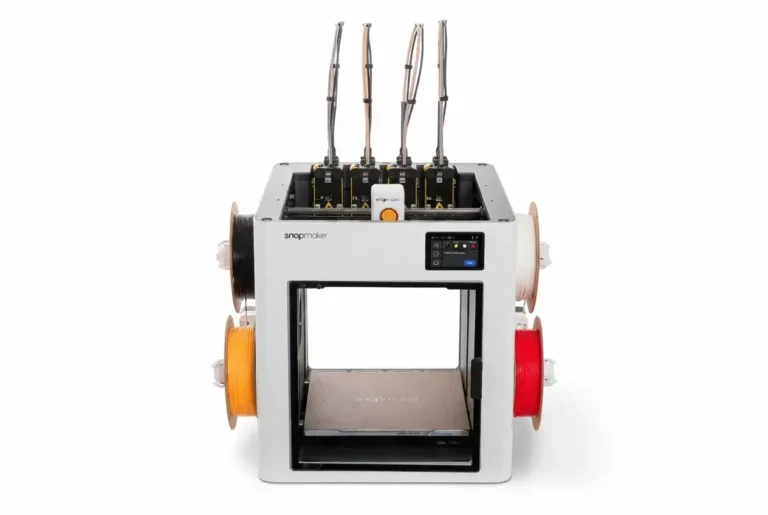
Snapmaker U1
Printing process
FDM (fused deposition modeling)
Typical applications
Prototypes, brackets and everyday parts
Verified specifications
Core XY, Multi Head, Build Volume: 270 x 270 x 270 mm
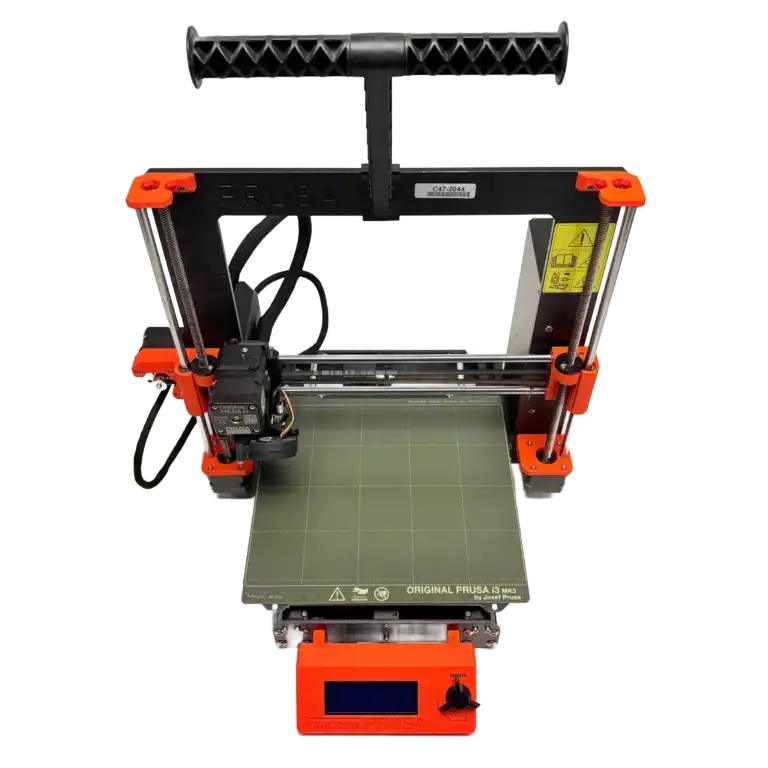
Prusa MK3S+
Printing process
FDM (fused deposition modeling)
Typical applications
Prototypes, brackets and everyday parts
Verified specifications
Bed Slinger, Build Volume: 250 x 210 x 210 mm
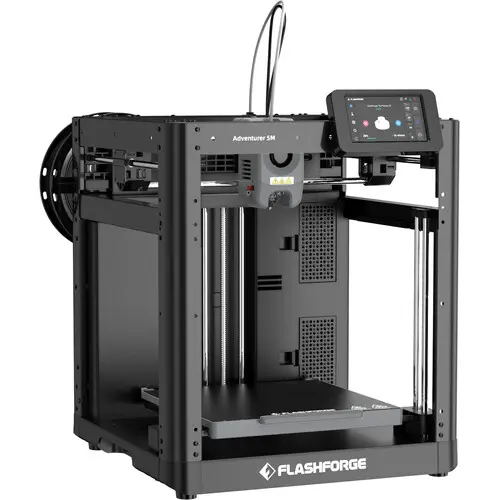
Flashforge Adventurer 5M
Printing process
FDM (fused deposition modeling)
Typical applications
Prototypes, brackets and everyday parts
Verified specifications
Core XY, Build Volume: 220 x 220 x 220 mm
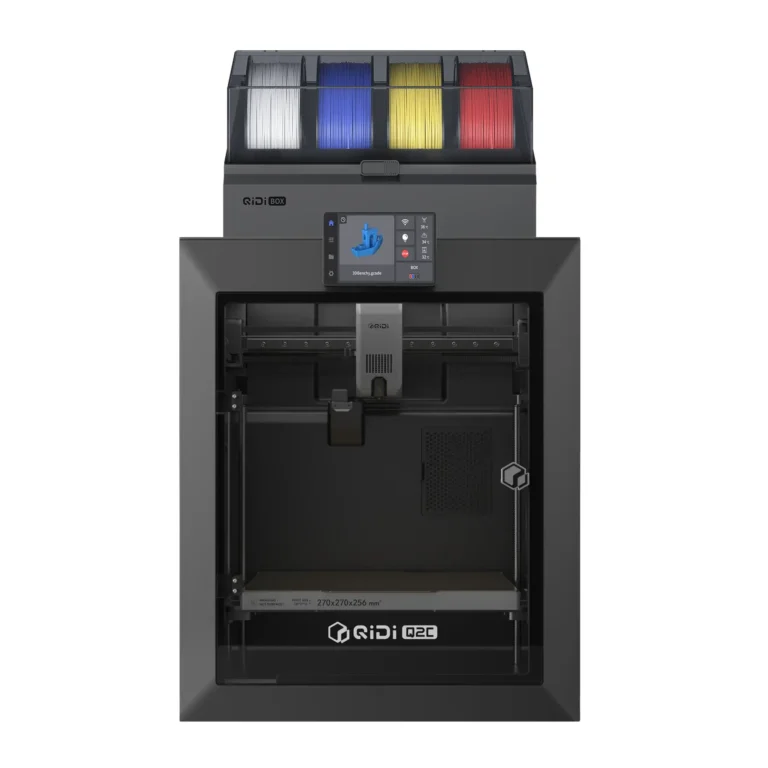
QIDI Q2 Combo
Printing process
FDM (fused deposition modeling)
Typical applications
Prototypes, brackets and everyday parts
Verified specifications
Core XY, Build Volume: 270 x 270 x 256 mm
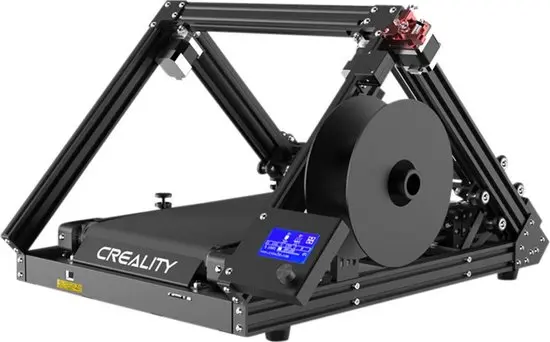
Creality CR30 PrintMill
Printing process
FDM (fused deposition modeling)
Typical applications
Prototypes, brackets and everyday parts
Verified specifications
Core XY, Print Volume: 200 x 170 x 2000 mm
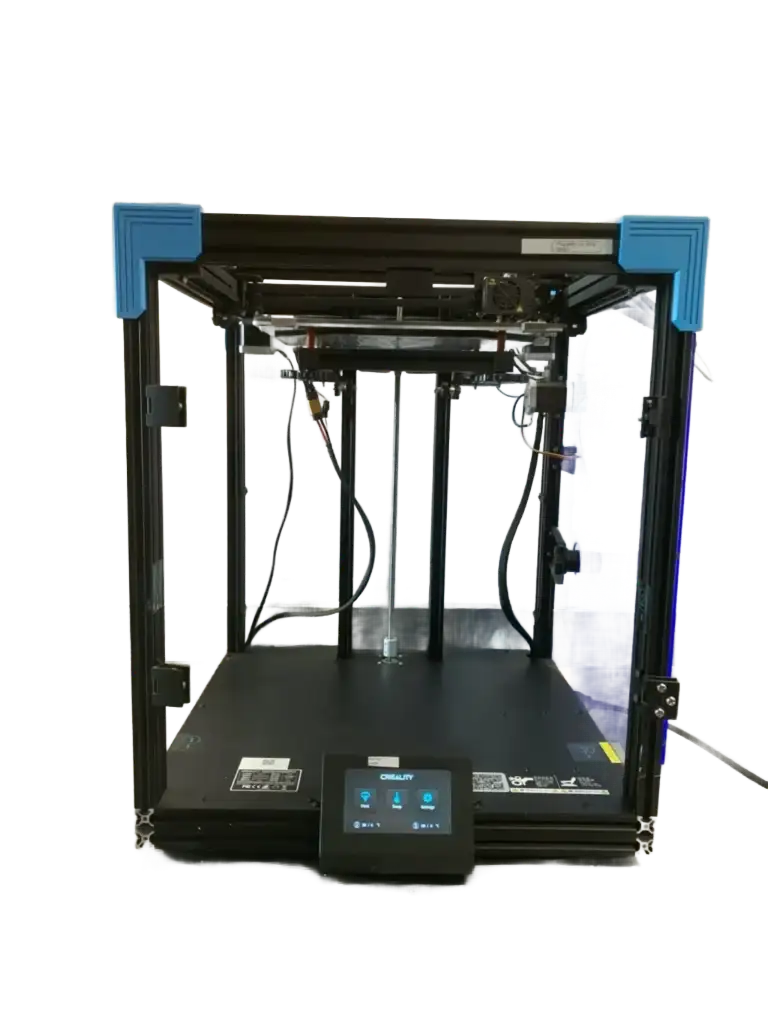
Creality Ender 6
Printing process
FDM (fused deposition modeling)
Typical applications
Prototypes, brackets and everyday parts
Verified specifications
Core XY, Print Volume: 250 x 250 x 400 mm
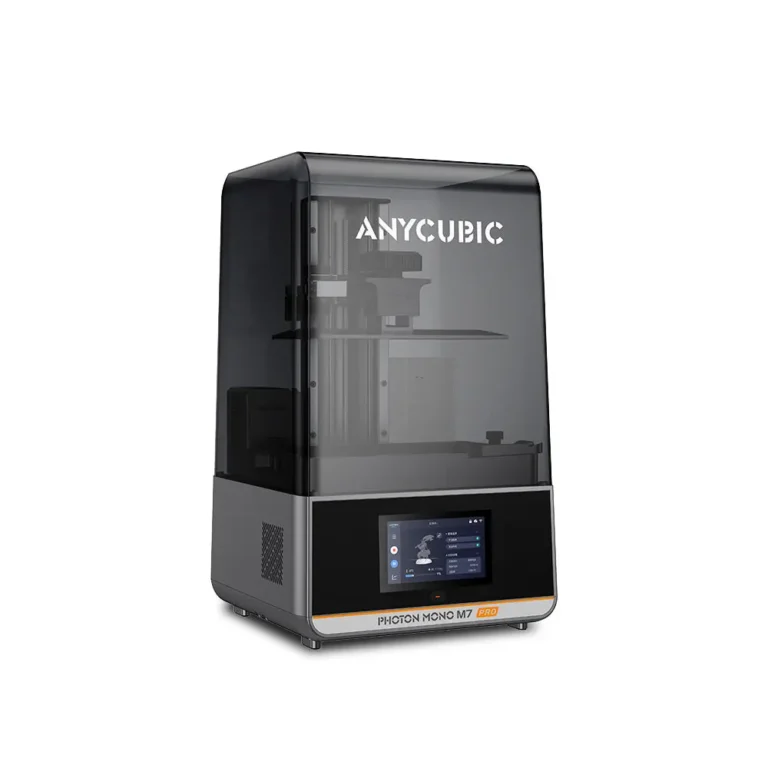
Anycubic Photon Mono M7 Pro
Printing process
Resin
Typical applications
Detailed models, miniatures and fine-detail parts
Verified specifications
Build Volume: 223 x 126 x 230 mm
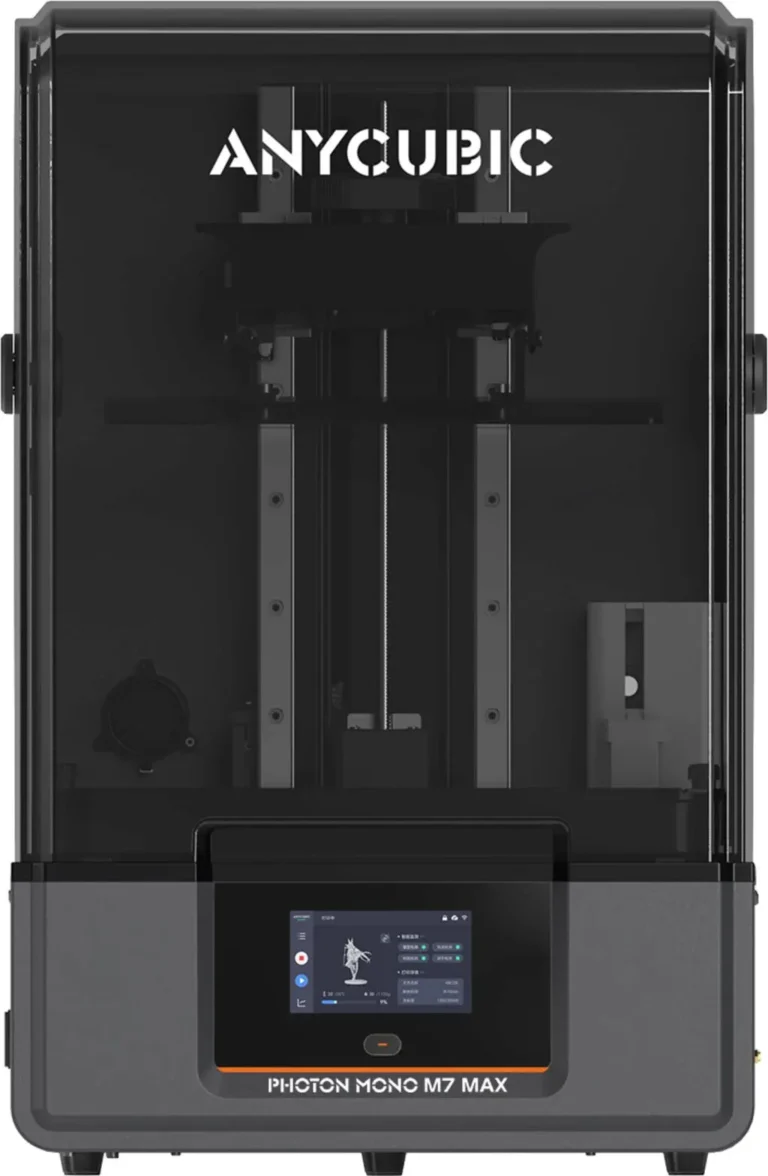
Anycubic Photon Mono M7 Max
Printing process
Resin
Typical applications
Detailed models, miniatures and fine-detail parts
Verified specifications
Build Volume: 298 x 164 x 300 mm
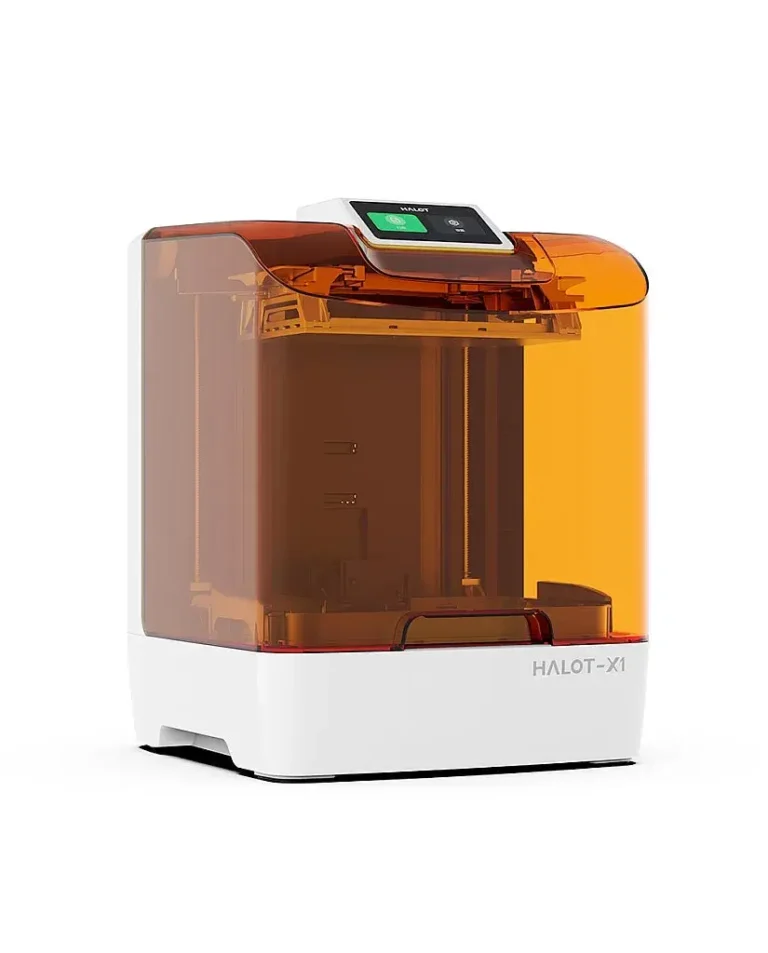
Creality Halo X1 Resin
Printing process
Resin
Typical applications
Detailed models, miniatures and fine-detail parts
Verified specifications
Build Volume: 127 x 80 x 160 mm
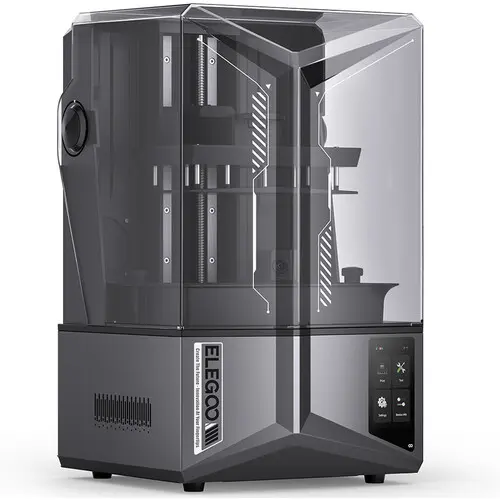
Elegoo Saturn 4 Ultra 16K
Printing process
Resin
Typical applications
Detailed models, miniatures and fine-detail parts
Verified specifications
Build Volume: 212 x 118 x 220 mm
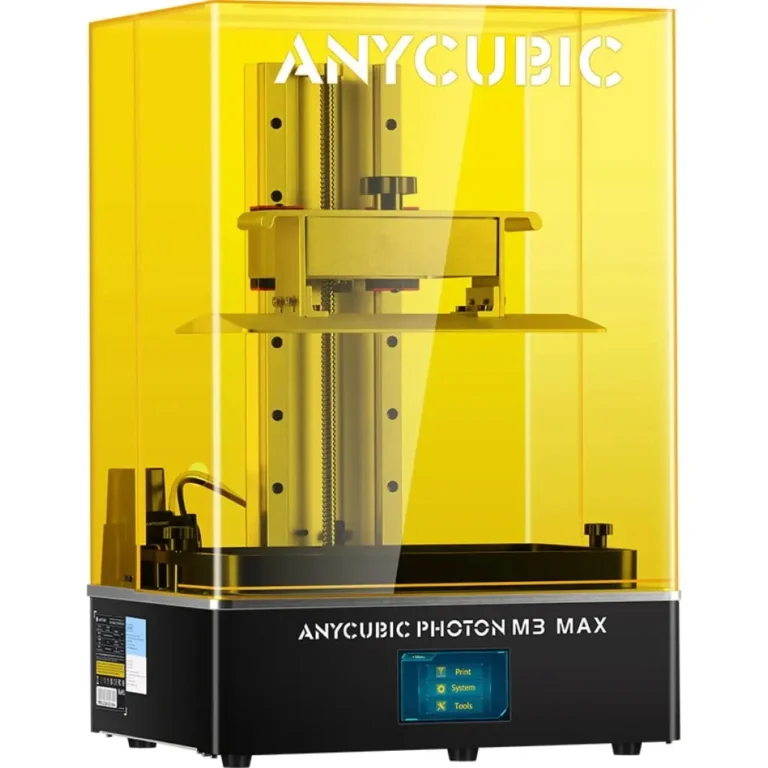
Anycubic Photon Mono M3 Max
Printing process
Resin
Typical applications
Build Volume: 298 x 164 x 300 mm
Verified specifications
Build volume, nozzle size and supported materials are shared per machine.
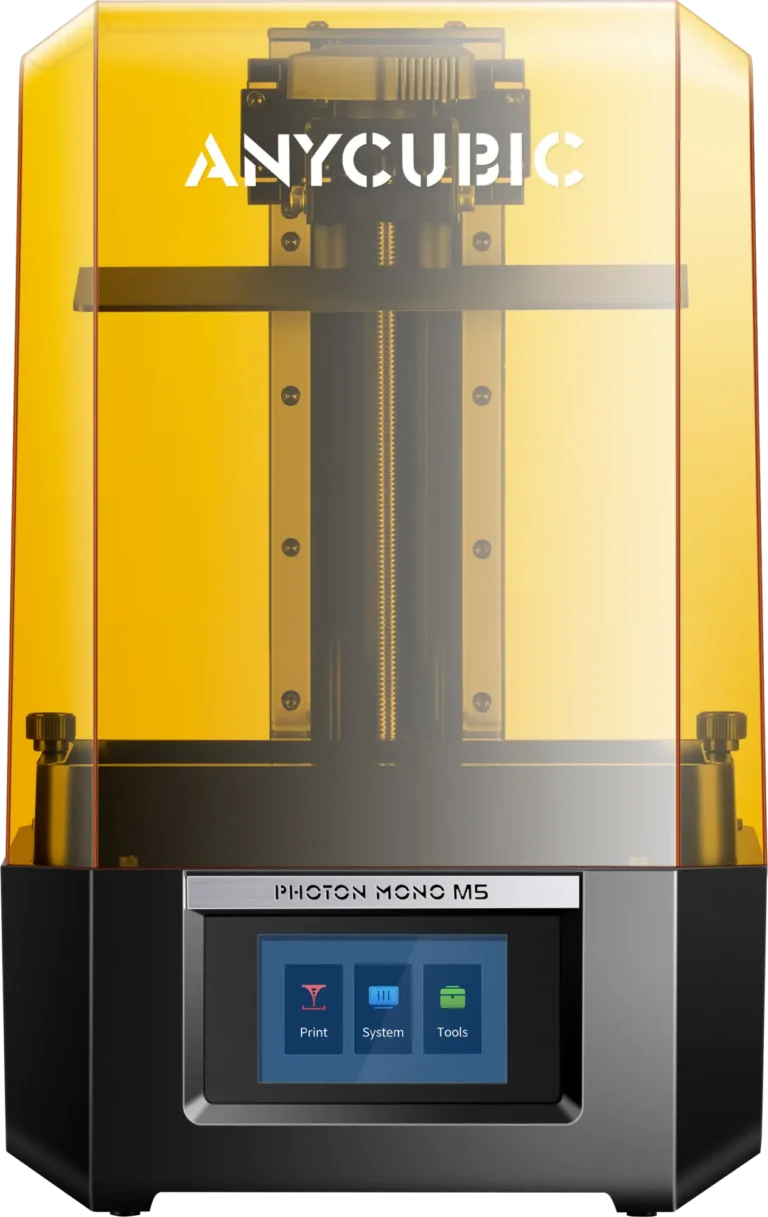
Anycubic Photon Mono M5
Printing process
Resin
Typical applications
Detailed models, miniatures and fine-detail parts
Verified specifications
Build Volume: 218 x 123 x 200 mm
Materials at a glance
Materials at a glance.
Four materials people often ask about. Each is a starting point for a conversation, not a recommendation — the right choice depends on your project.
PLA
A widely used, generally rigid material often considered for display pieces and general printing.
Typical considerations
Often chosen where appearance matters. Not assumed to suit demanding conditions.
Questions to discuss
Where will it be displayed or used? How important are color and finish?
PETG
Often considered for functional applications where a practical, everyday material is needed.
Typical considerations
Surface appearance can differ from PLA. Suitability depends on what the part has to do.
Questions to discuss
What will the part need to do? Will it be handled often?
TPU
A flexible material, considered when a part needs to bend or give.
Typical considerations
Flexibility changes how a part behaves and how it can be designed.
Questions to discuss
How much flexibility is needed, and where in the part?
ABS
Considered for suitable technical applications after assessment.
Typical considerations
Not right for every project. Needs a conversation about requirements and printing conditions.
Questions to discuss
What are the technical requirements? What conditions will the part face?
Material used in our prints is confirmed per project.
Material comparison
Side by side, without the ratings.
A plain-language guide to how these materials differ. It’s a starting point for discussion — not a ranking, and not a promise of what suits your project.
Material
General project types
Rigid or flexible
Appearance considerations
Factors to discuss
PLA
General project types
Display pieces and general printing
Rigid or flexible
Generally rigid
Appearance considerations
Often a clean, consistent look. Finish varies with color and design.
Factors to discuss
Intended use and where it will be used
PETG
General project types
Functional applications
Rigid or flexible
Generally rigid
Appearance considerations
Layer lines and surface can look different from PLA.
Factors to discuss
What the part must do and how it will be handled
TPU
General project types
Parts that need flexibility
Rigid or flexible
Flexible
Appearance considerations
Look and feel differ from rigid materials.
Factors to discuss
How much flexibility is needed and where
ABS
General project types
Suitable technical applications, after assessment
Rigid or flexible
Generally rigid
Appearance considerations
Finish and color options to be discussed.
Factors to discuss
Technical requirements and printing conditions
Choosing an approach
Six questions guide the choice.
You do not need to know the right material before contacting us.
We have different types of printers that we use for different applications. Some are single color, some are multicolor, and some are different materials. We also need many printers to make sure our customers get their prints in a timely manner.
Is this a complete list of what you use or do you have others or multiples?
This is not a comprehensive list but it is the majority of the unique models. We do have multiples of many of these.
This is a long list, how many printers do you have?
We have around a total of 150-160 printers ready to make great items for you, our customer.
Do you ever get rid of your printers?
Yes, from time to time we upgrade our printers at which time we sometimes keep the old ones for parts or sell as used.
LET’S TALK
Not sure where to start?
Tell us what you want to make and how it will be used. We’ll discuss suitable options.